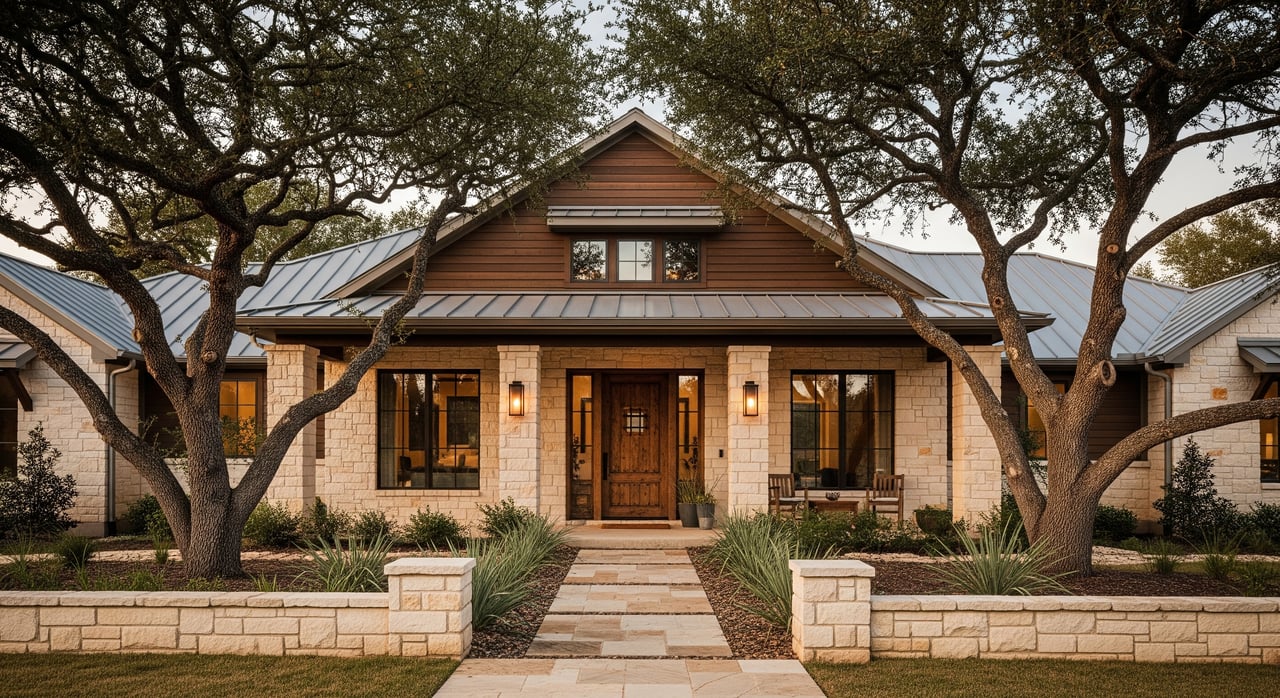
Are you a 78731 homeowner wondering how to lower your property tax bill this year? You’re not alone. The Travis County residence homestead exemption is one of the most helpful tools available, but the rules, forms, and deadlines can feel confusing. This guide gives you the essentials for Northwest Hills and surrounding 78731 neighborhoods: who qualifies, how it changes your tax bill, what to file and when, and where to find official information. Let’s dive in.
Homestead exemption, explained
A residence homestead exemption reduces the taxable value of your primary residence for property taxes. Your tax bill is based on taxable value, which equals the appraised value minus any exemptions that apply to your home. In Travis County, the Travis Central Appraisal District (TCAD) reviews and records exemptions for your property.
Exemptions are adopted by taxing units that serve your address, such as the school district, county, city, and any special districts. TCAD administers the exemption itself, while each taxing unit decides if and how much to exempt on its portion of your bill.
Who qualifies in Travis County
To qualify for a given tax year, you generally must both own and occupy the home as your principal residence on January 1 of that year. You can claim only one residence homestead in Texas at a time. The exemption applies only to your principal residence.
Common exemption categories include:
- General residence homestead: Available on your primary residence if you meet the ownership and occupancy test.
- Age 65 or older and disabled person: Additional exemptions may apply. Qualifying owners also receive a school district tax limitation, often called a “ceiling,” for the school portion of the bill.
- Disabled veteran and surviving spouse: Separate programs offer larger exemptions based on VA disability ratings and eligibility.
- Partial use: If you rent out part of your property, only the portion used as your principal residence may qualify.
Short-term rentals can complicate eligibility. The key test is whether the home is primarily your principal residence rather than primarily a rental.
When to file and when it takes effect
- January 1 matters: You must own and occupy the home as your principal residence on January 1 to be eligible for that tax year.
- Filing window: File your application between January 1 and April 30 for it to apply to the current tax year.
- Missed April 30: Applications filed after April 30 are usually effective the following tax year.
If you bought your 78731 home after January 1, you can still file, but the exemption will typically start next year. If you move from one Travis County home to another, you must cancel the exemption on the old property and apply for the new one. Only one homestead is allowed at a time.
How much could you save?
Exemptions reduce taxable value, not the tax rate. Savings depend on two things: the exemption amount adopted by each taxing unit and the current combined tax rate for your address. Your tax owed equals the taxable value multiplied by the total tax rate.
Illustrative example: If your home is appraised at 500,000 dollars and your total exemption equals 40,000 dollars, your taxable value becomes 460,000 dollars. With a combined rate of 2.2 percent, the exemption would reduce your tax by about 880 dollars for that year. Your actual savings will vary based on current local rates and adopted exemption amounts.
How to apply with TCAD
Here is a practical path to get your exemption filed for a Travis County home.
- Confirm eligibility and look up your property
- Review the ownership and occupancy rules for January 1.
- Visit the Travis Central Appraisal District website to find your parcel and read current instructions on homestead applications. You can start at the TCAD homepage under Exemptions: Travis Central Appraisal District.
- Gather typical documents
- Texas driver’s license or Texas ID card. Matching the homestead address to your ID helps.
- Proof of ownership, such as a deed or recorded instrument.
- If your ID lists a different address, provide additional proof of principal residence, such as vehicle registration, a recent utility bill in your name, voter registration, or tax returns showing the homestead address.
- Check TCAD’s current instructions for the most up-to-date list of acceptable documents before submitting.
- Complete the application form
- Use the residential homestead application (state Form 50-114 or TCAD’s version). Follow the instructions provided by TCAD.
- Submit your application
- TCAD typically accepts submissions online through its portal, by mail, or in person. Confirm current options and any e-filing availability on Travis Central Appraisal District.
- Watch for TCAD’s notice
- TCAD will notify you when your exemption is granted or if they need more information. If denied, you may be able to provide additional documentation or appeal through TCAD’s process.
For statewide rules and definitions that apply in Travis County, consult the Texas Comptroller’s guidance on residence homestead exemptions: Texas Comptroller — Residence Homestead Exemption.
Special protections and programs
- Over-65 and disabled person: Qualifying homeowners receive additional exemptions. For the school district portion of your bill, a tax limitation sets your school taxes at the amount in the year the exemption is granted. County and city taxes are not frozen unless local measures are adopted.
- Disabled veteran and surviving spouse: State law provides separate, often larger exemptions based on VA disability ratings and specific eligibility rules.
Always confirm current rules and amounts with TCAD and the Texas Comptroller, since local adoption can change.
Common 78731 scenarios
- Bought after January 1: If you closed on February 15 and moved in, you generally cannot claim the homestead exemption for that year. File so it begins next tax year.
- Moving within Travis County: Cancel the homestead on your former residence and file on your new home. Only one homestead is allowed per person.
- Renting part of your home: If you rent a room or a duplex unit, only the portion you use as your principal residence can qualify.
- Short-term rentals: If your property is primarily used as a rental, it may not qualify as your principal residence.
- Joint owners: All owners who live in the home as their principal residence may be covered by the exemption, but a person cannot claim more than one homestead.
If you’re audited or denied
Respond promptly to any TCAD request for documentation. Provide clear proof of ownership and principal residence. If your application is denied, review the reason, supply the requested documents, and use TCAD’s appeal or protest options if needed. Falsely claiming a homestead can lead to penalties and loss of the exemption, so accuracy matters.
Quick checklist
- Live in the home on January 1 and make it your principal residence.
- File with TCAD between January 1 and April 30 for the current tax year.
- Gather ID, deed, and proof of residence if your ID address differs.
- Use Form 50-114 or TCAD’s version and follow TCAD’s instructions.
- Watch for TCAD’s decision, and respond quickly to any requests.
Local resources and official links
- TCAD exemptions and filing instructions: Travis Central Appraisal District
- Statewide rules and definitions: Texas Comptroller — Residence Homestead Exemption
This is educational information only; contact TCAD or a licensed tax professional for advice specific to your situation.
Ready to talk through your 78731 plans or map out next steps around buying, selling, or homestead timing? Reach out to Olivia Osborne for local guidance grounded in Northwest Austin experience.
FAQs
Who is eligible for a Travis County homestead exemption?
- You must own and occupy the property as your principal residence on January 1, claim only one homestead, and provide documentation as requested by TCAD.
What is the filing deadline for the current tax year in Travis County?
- File between January 1 and April 30 for the exemption to apply in the current year; filings after April 30 generally take effect the next tax year.
How does the over-65 school tax ceiling work for Austin-area homeowners?
- Once granted, the school district portion of your tax bill is limited to the amount in the year the over-65 exemption starts; county and city taxes are not frozen unless local measures apply.
Can I keep my homestead exemption if I short-term rent my 78731 home?
- The home must be primarily your principal residence; if it is primarily used as a rental, it may not qualify, and only the residential portion may be eligible.
What documents do I need to apply with TCAD?
- A Texas driver’s license or Texas ID, proof of ownership, and if needed, additional proof of residence such as vehicle registration, utility bills, voter registration, or tax returns.
How much can a homestead exemption save me in 78731?
- Savings depend on local exemption amounts and tax rates; as an example only, a 40,000 dollar exemption at a 2.2 percent rate could reduce taxes by about 880 dollars.
Where do I file my Travis County homestead application?
- File with the Travis Central Appraisal District. Start with TCAD’s Exemptions section for forms, instructions, and submission options: Travis Central Appraisal District.