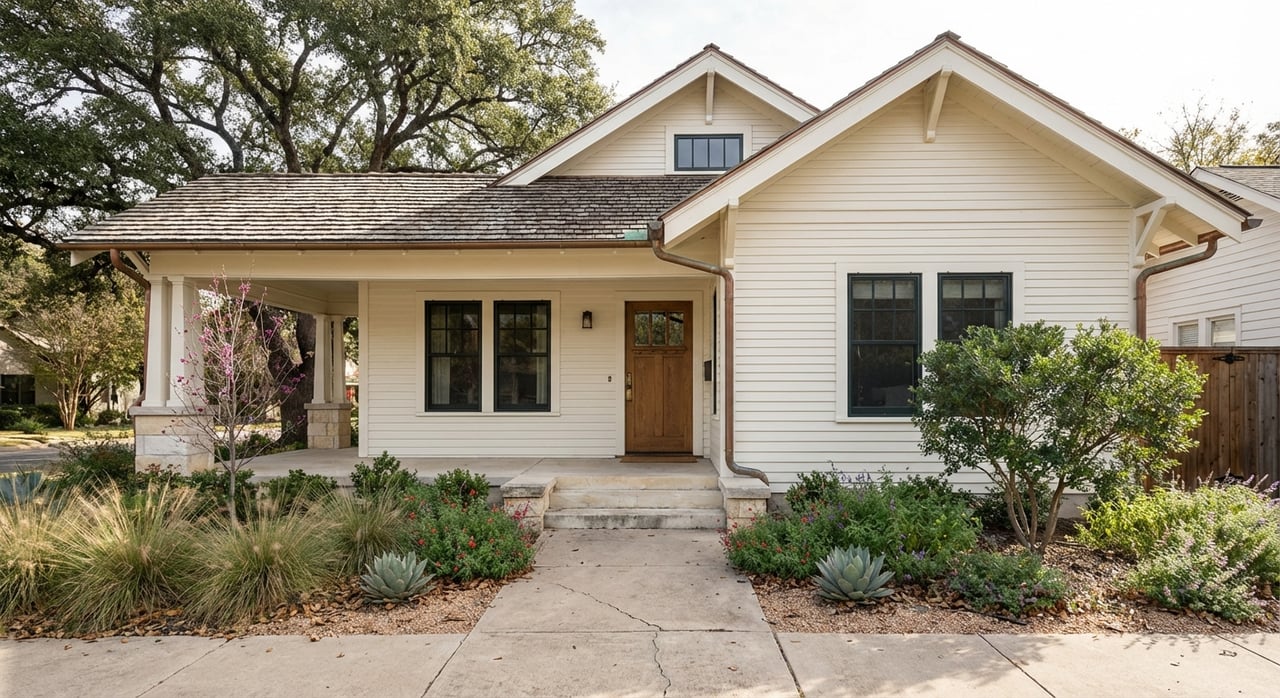
What draws you to Old West Austin is not only location but the feeling each house gives you the moment you step onto the porch. Historic homes here carry real charm, yet they also come with older systems and unique rules that can catch buyers off guard. If you want character without surprises, a little know-how goes a long way.
In this guide, you’ll learn where Old West Austin begins and ends, how to spot common architectural styles, which inspections and repairs matter most, how Austin’s historic rules affect renovations, and how updates typically impact resale. Let’s dive in.
Where Old West Austin sits and why it matters
Old West Austin refers to the National Register historic district just west of downtown, added to the National Register in 2003 with a period of significance from the mid‑19th through mid‑20th centuries. The district generally spans from West 13th Street to W. 35th Street and from Lamar Boulevard to MoPac. You can confirm the National Register details through the Texas Historical Commission’s listing for the Old West Austin Historic District.
Within the district, you’ll hear three neighborhood names: Old Enfield, Bryker Woods, and Pemberton Heights. Bryker Woods and Old Enfield feature many bungalows and modest revival homes. Pemberton Heights includes larger early‑20th‑century residences and several architect‑designed landmarks set among mature trees on deeper lots.
- See the Old West Austin listing on the Texas Historical Commission’s atlas for official boundaries and history.
- Explore neighborhood context and notable homes through the Pemberton Heights Neighborhood Association and Bryker Woods historical overview.
Texas Historical Commission — Old West Austin Historic District
Pemberton Heights Neighborhood Association
Bryker Woods — Old West Austin history
Styles you’ll see and quick photo cues
Old West Austin showcases a broad mix of Late‑19th and 20th‑Century Revival styles and early‑to‑mid‑20th‑century American movements. As you scroll listings or tour, look for these common hallmarks.
Craftsman and bungalow
You’ll notice low‑pitched gables or hipped roofs, deep eaves with exposed rafters or knee braces, broad porches with tapered columns on piers, and natural materials like brick, stone, and wood. Inside, built‑ins such as bookcases and window seats are common. These cues often point to period bungalows you’ll find throughout Bryker Woods and parts of Old Enfield.
For more on typical bungalow layouts and features, review this overview of Craftsman and bungalow design principles.
Craftsman and bungalow features
Revival and estate homes
In Pemberton Heights especially, you’ll see Colonial or Neoclassical symmetry, Tudor steep gables with masonry, and Mediterranean or Spanish details like stucco and tile roofs. Several architect‑designed landmarks add to the district’s character. Many of these homes sit on larger, terraced lots with mature live oaks.
Typical interior layouts to expect
- Bungalows from the 1920s to 1940s are often 1 to 1.5 stories with a central living room and fireplace, a separate dining room or breakfast nook, compact kitchens, and 2 to 3 bedrooms. Attics or dormers sometimes offer expansion potential.
- Larger revival homes may have multiple formal rooms, original service zones, and larger lots with garages or outbuildings. Orientation to Shoal Creek or downtown views can influence both value and future addition options.
A quick note on flow: many historic interiors are more compartmentalized than today’s open plans. You can often achieve a more open feel through thoughtful design, but it requires structural planning and the right permits, which we cover below.
Older-home systems: what to inspect first
Historic homes are one of a kind. Use a general inspection plus targeted specialist evaluations to confirm the health of key systems.
Foundations and soils
Much of West Austin sits on a limestone shelf. Some older homes were built on pier‑and‑beam foundations set on shallow rock, while later homes may be slab on fill. Risks can change block by block, so ask for prior foundation reports and look for signs like stair‑step cracks in brick, sticky doors or windows, sloping floors, and patchwork in crawlspaces. If you see these, a structural engineer’s review is smart. Local case studies suggest central‑Austin slab repairs can reach into five figures for moderate underpinning, while pier‑and‑beam work is different in scope and cost.
Foundation context and repair considerations
Electrical systems
Older wiring types such as knob‑and‑tube, aluminum branch wiring, and small fuse panels still appear in some historic properties. These can affect insurance and lending and may require a rewire or panel upgrade to meet modern safety and service needs. If you suspect older wiring or undersized capacity, bring in a licensed electrician for an evaluation and estimate.
Common old‑house electrical issues
Plumbing and water service
Older supply lines and drains, like galvanized pipes or cast‑iron sewer laterals, can corrode or root‑intrude. Austin Water reports no lead service lines in the public system and tracks private galvanized lines that may require replacement. Ask sellers about any water line or sewer work and consider a sewer camera inspection, especially if large trees are near the line.
Austin Water — service line and lead info
HVAC, insulation, and windows
Many historic homes started with little insulation and single‑pane wood windows. These windows often contribute to the home’s character and can be retained with weatherstripping or storm windows. Ask for the age and service history of major HVAC components and plan for replacement when past typical lifespans. Energy improvements are generally compatible with preservation when done thoughtfully.
City of Austin — historic design standards
Pests and lead paint
Termites and other wood‑destroying organisms are a known Texas risk. A WDO inspection during escrow is standard and helps surface treatment needs or hidden damage. If the home was built before 1978, assume lead‑based paint may be present and follow EPA lead‑safe practices for any renovation that disturbs paint layers.
Roofing and drainage
Check roof age, flashing, and any signs of leaks or sagging. Around the home, watch for grading that directs water toward the foundation. If a property has a local historic designation, some exterior changes visible from the street can trigger review before work begins.
City of Austin — historic design standards
Historic rules and permits: how they affect plans
Not all historic designations work the same way. In Old West Austin, this distinction matters if you plan to remodel.
- National Register listing is honorary. By itself, it does not restrict what an owner may do on private property unless federal funding, licensing, or permitting is involved.
- Local designations in Austin, such as city landmarks or locally designated historic districts, are binding for exterior work. They typically require advance approval, called a Certificate of Appropriateness, for changes that affect character‑defining features.
If you’re considering an exterior change visible from the street, first confirm whether the property has a local designation. Then, factor design time, a possible public hearing, and material compatibility into your schedule and budget. Routine building permits still apply to all properties, whether or not they have local historic status. You can search permit and case history in Austin’s Build + Connect portal and review the City’s historic design standards before you finalize plans.
Financial incentives to know
- Austin programs: The City of Austin offers select historic‑property tools, including landmark tax exemptions and a rehabilitation abatement program for qualifying work in locally designated districts. These programs have specific eligibility requirements and limited uptake; review current City preservation resources for details.
- Federal tax credit: The 20% federal historic rehabilitation tax credit applies only to income‑producing certified historic buildings and follows federal standards. Owner‑occupied single‑family homes are generally not eligible.
Federal historic tax credit basics
How updates influence value and resale
In Old West Austin, buyers often pay a premium for character, location, and quality. Renovations that are permitted, well documented, and sensitive to original features tend to build confidence and widen your future buyer pool.
- Systems first: Documented upgrades to foundation, electrical, plumbing, and HVAC are big budget items but can reduce surprises and support stronger pricing.
- Balance charm and convenience: Removing original millwork or replacing historic windows with incompatible products can shrink the appeal for character‑focused buyers. On the other hand, refreshed kitchens and baths that respect the home’s architecture usually resonate well.
- Additions and ADUs: Extra space is often feasible if it meets compatibility and setback rules. Expect greater scrutiny for anything visible from the street in locally designated areas, while rear or detached structures may be more flexible within guidelines.
For design clarity, study the City’s standards around setbacks, porches, windows, and materials. These documents show how compatibility is evaluated and help you plan work that supports both value and approvals.
City of Austin — historic design standards
Buyer checklist for showings and inspections
Use this quick list to focus your due diligence.
Ask the listing agent and seller:
- Has major work been permitted and finalized? Verify roof, HVAC, electrical service, plumbing, and foundation work in the AB+C public search.
Austin Build + Connect — permit search - Is the property locally designated or only in the National Register district? Local designation changes what needs prior approval for exterior changes.
- What is the age and service history of the roof, HVAC, electrical panel, water heater, and sewer lateral? Request receipts and any engineering or foundation reports.
- Has a sewer camera inspection or WDO report been done recently? If not, plan to order them in escrow.
- For homes built before 1978, request the lead‑based paint disclosure and ask about any prior testing.
Add these inspection add‑ons if the house is older or shows warning signs:
- Sewer camera inspection, WDO/termite inspection, licensed‑electrician evaluation of wiring and panel, and a structural engineer’s review if you see movement indicators. Consider lead testing before renovation in pre‑1978 homes and an insulation/energy assessment if utilities are a concern.
At showings, scan for quick red flags:
- Stair‑step cracks in brick, doors that bind seasonally, sloping floors, ceiling stains, layered peeling paint at exteriors, and visible knob‑and‑tube or an old fuse panel. If you notice these, get specialist follow‑ups early in your contingency period.
Next steps
If you’re drawn to Old West Austin’s character homes, start with clarity. Identify the style you love, confirm whether local historic rules apply, and plan targeted inspections to understand systems and scope. When you pair charm with good due diligence, you put yourself in a strong position to buy with confidence.
Want a second set of eyes on a specific property, permits, or inspection strategy? Connect with Olivia Osborne for hyperlocal guidance, smart negotiations, and a calm, process‑driven path to your next home.
FAQs
What defines Old West Austin and which neighborhoods are included?
- Old West Austin is a National Register historic district west of downtown, generally covering Old Enfield, Bryker Woods, and Pemberton Heights, with a period of significance from the mid‑19th through mid‑20th centuries.
How do historic rules affect exterior renovations in Old West Austin?
- National Register status is honorary, but local designations in Austin require a Certificate of Appropriateness for many exterior changes; always verify status and review the City’s historic design standards before planning work.
Which inspections are most important when buying a historic Austin home?
- In addition to a general home inspection, prioritize a structural review if movement is suspected, a licensed‑electrician evaluation of older wiring, a sewer camera inspection, a WDO/termite report, and lead testing for pre‑1978 homes.
Do Old West Austin homes have lead water lines or lead paint?
- Austin Water reports no lead service lines in the public system, though older private galvanized lines may need replacement; pre‑1978 homes may contain lead‑based paint, so follow EPA lead‑safe practices for any paint‑disturbing work.
Can I get tax credits or abatements for renovating a historic home in Austin?
- Owner‑occupied single‑family homes are generally not eligible for the 20% federal tax credit, which applies to income‑producing buildings; Austin offers limited local programs for certain locally designated properties, subject to eligibility.
How do historic windows and insulation affect comfort and resale?
- Original wood windows often contribute to the home’s character and value; weatherstripping, storm windows, and sensitive insulation upgrades can improve comfort while preserving historic features, which appeals to many buyers.