If you want central Austin access without giving up a true neighborhood feel, Rosedale is one of the places that keeps coming up for good reason. It has the kind of everyday rhythm many buyers hope to find: older homes, mature trees, a well-used park, and easy access to dining and errands along Burnet Road. If you are wondering what it is actually like to live here, this guide will walk you through the lifestyle, housing character, and what makes Rosedale distinct. Let’s dive in.
Why Rosedale Feels Different
Rosedale is a compact central Austin neighborhood with boundaries that include Hancock Drive, Burnet Road, West 45th Street, North Lamar Boulevard, West 38th Street, West 35th Street, MoPac Expressway, and Shoal Creek, according to the City of Austin. That smaller footprint helps it feel more like a tucked-in neighborhood pocket than a large, master-planned area.
The neighborhood also carries visible history. Preservation Austin notes that Rosedale evolved from early land grants and agricultural use into a residential area, with most surviving homes dating to the 1930s and 1940s. Today, that history shows up in the mature landscaping, varied architecture, and established street feel.
Everyday Life in Rosedale
Ramsey Park Sets the Pace
A lot of daily life in Rosedale revolves around Ramsey Park. City sources describe it as a roughly 5-acre park with tennis courts, basketball and multi-purpose courts, a softball field, playscape, picnic facilities, and a swimming pool.
That matters because it gives the neighborhood a real center of gravity. Instead of needing to drive somewhere for outdoor time, you can picture a normal week including park walks, pickup games, playtime, picnics, or a quick swim when the weather heats up.
Ramsey Pool Adds Easy Summer Fun
Ramsey Pool is a free outdoor pool, according to the City of Austin. That simple fact says a lot about the neighborhood lifestyle.
It makes summer recreation feel casual and accessible. In Rosedale, outdoor time does not have to be a big event. It can just be part of your regular routine.
Shoal Creek Supports Walking and Biking
Shoal Creek is another big part of the neighborhood experience. The City of Austin says Shoal Creek Trail runs 9.5 miles and is one of the city’s oldest trail systems, with the route north of 38th Street shifting into an on-street protected bikeway and sidewalk.
For you as a resident, that means walking, jogging, and biking can fit naturally into daily life. Rosedale feels connected, not isolated, which is part of its appeal for people who want central location and outdoor access in the same place.
Burnet Road Makes Daily Errands Easy
Dining Is Close and Varied
One of Rosedale’s practical advantages is its position next to Burnet Road. Austin Monthly describes this stretch as a 2-mile corridor filled with restaurants, dive bars, resale stores, and sweet shops, serving nearby areas including Rosedale, Allandale, and Crestview.
That setup gives you a nice balance. Inside the neighborhood, the streets feel residential and calm. Along the edge, you have quick access to coffee, lunch, dinner, and day-to-day stops without going far.
Local Stops Shape the Routine
Several businesses help define what everyday life can look like here. Upper Crust Bakery has been locally owned for more than 40 years and is known for coffee, breakfast, and lunch. Epicerie describes itself as a cozy bistro in Rosedale, and other nearby options include Honest Mary’s, Phoenicia, and the retail-and-dining mix at Rosedale Village.
Eater’s current dining guide for Rosedale also points to a broad range of options, including Billy’s on Burnet, Dosa Shack, Gràcia Mediterranean, Kuway’s Banh Mi, and Craft Omakase. In practical terms, living here can mean anything from a quick bakery stop to a more polished dinner out.
What the Homes Are Like
Older Homes Define the Neighborhood
Rosedale is mostly an older-home neighborhood. Preservation Austin says that while there are some historic structures dating to the mid-1800s, most surviving homes were built in the 1930s and 1940s.
You will see a mix of Colonial Revival, Tudor Revival, ranch homes, cottages, and bungalows. That variety gives the area a lot of visual character, especially compared with newer communities where many homes follow the same plan and style.
Expect Variety, Not Uniformity
Part of Rosedale’s charm is that it does not feel overly polished or uniform. Preservation Austin notes that the neighborhood has also seen demolitions, alterations, and redevelopment pressure near Burnet and North Lamar, so you may find renovated historic homes, original cottages, and some newer infill in the same general area.
For buyers, that means each block can feel a little different. You are often choosing between original character, updated interiors, lot potential, or a newer build in a central location.
Smaller Lots and Mature Trees Matter
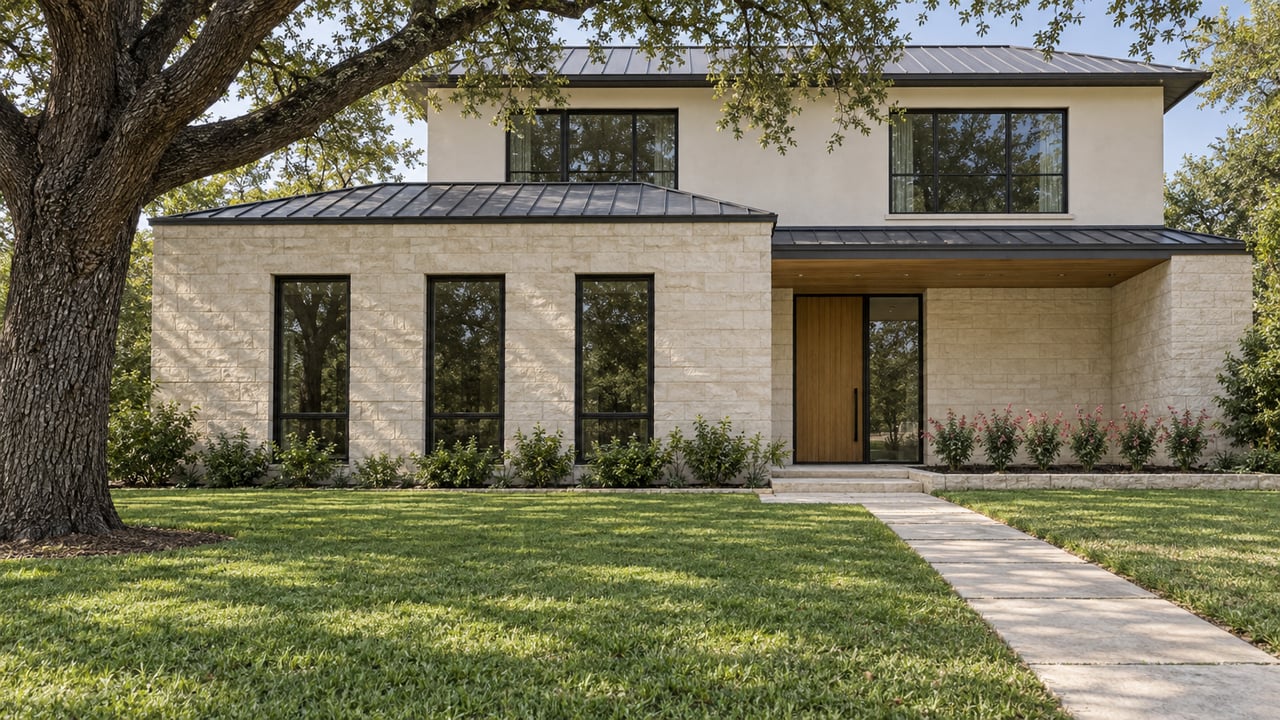
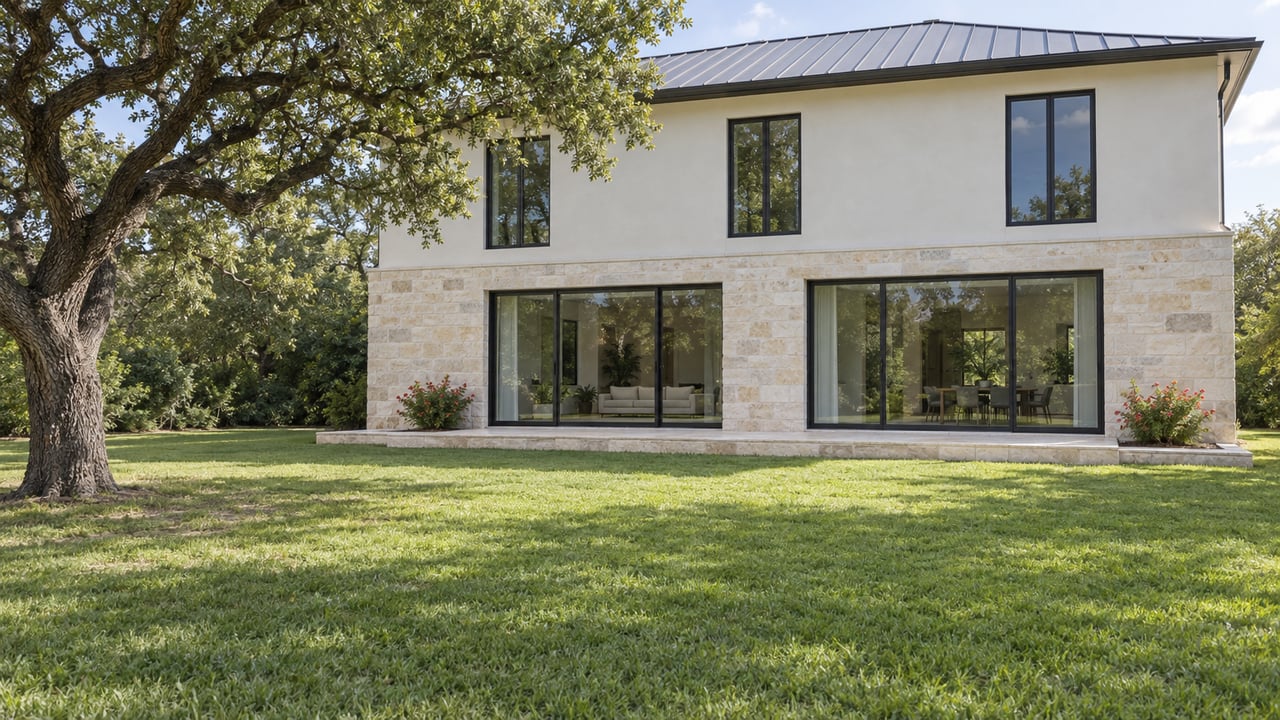
A fair takeaway from the neighborhood’s history and market context is that Rosedale’s appeal comes from scale and age. Smaller lots, older homes, mature trees, and renovation potential all shape the experience of living here.
If you love established neighborhoods, that is often a plus. If you prefer the predictability of newer construction and more uniform streetscapes, it may feel less straightforward.
Rosedale Real Estate in Context
Redfin’s March 2026 snapshot reported a median sale price of $989,990 in Rosedale, up 21.2% year over year, with homes averaging about 90 days on market. Redfin also described the market as somewhat competitive.
That does not tell the whole story, but it does reinforce an important point: Rosedale is an established central Austin neighborhood where demand stays meaningful. Buyers are often paying for location, character, and lifestyle, not just square footage alone.
For sellers, that neighborhood identity can be a strength. Buyers looking in Rosedale are often specifically drawn to the area’s mix of park access, mature setting, and close-in convenience.
How Rosedale Compares to Nearby Areas
Rosedale is one of those neighborhoods that can blend in with nearby names if you are not familiar with central Austin. Eater notes that parts of Rosedale are often mistaken for Allandale, Hyde Park, Brentwood, or Bryker Woods.
What sets it apart is the combination of a compact footprint, a strong park core, and its Burnet Road edge. Rather than reading like a larger district, it feels like a smaller historic pocket with a clear neighborhood center and easy access to daily conveniences.
That distinction matters when you are home shopping. Two areas may seem similar on a map, but the day-to-day feel can be different once you consider walkability, housing stock, and where people naturally spend their time.
Who Rosedale May Fit Best
Rosedale can be a strong fit if you want a close-in central Austin neighborhood with established character. It especially appeals to buyers who value older homes, neighborhood-scale recreation, and nearby dining and errands without a master-planned feel.
It may also work well for you if you like having options in your routine. You can spend time at Ramsey Park, walk or bike near Shoal Creek, and still be close to a wide range of Burnet Road businesses.
At the same time, it helps to go in with clear expectations. Home styles vary, prices reflect the central location, and the housing stock is older. For many buyers, though, those are not drawbacks. They are part of the reason Rosedale stands out.
If you are thinking about buying or selling in Central Austin, neighborhood context matters just as much as price per square foot. Rosedale offers a very specific blend of history, convenience, and everyday livability, and that combination can be hard to replicate elsewhere. If you want help comparing Rosedale to nearby neighborhoods or understanding what current market activity means for your move, Olivia Osborne can help you make a confident plan.
FAQs
What is daily life like in Rosedale, Austin?
- Daily life in Rosedale often centers around Ramsey Park, Ramsey Pool, Shoal Creek access, and quick errands or meals along Burnet Road.
What types of homes are in Rosedale, Austin?
- Rosedale is known for older homes, especially cottages, bungalows, ranch homes, and other historic styles, along with some renovated properties and newer infill.
Is Rosedale, Austin, more historic or newly built?
- Rosedale is primarily a historic neighborhood, with most surviving homes dating from the 1930s and 1940s, though some redevelopment and newer construction are present.
What makes Rosedale different from nearby Austin neighborhoods?
- Rosedale stands out for its compact layout, Ramsey Park as a neighborhood anchor, Shoal Creek access, and a lively Burnet Road edge that supports daily convenience.
Is Rosedale, Austin, a competitive real estate market?
- Redfin’s March 2026 snapshot described Rosedale as somewhat competitive, with a median sale price of $989,990 and average days on market around 90.