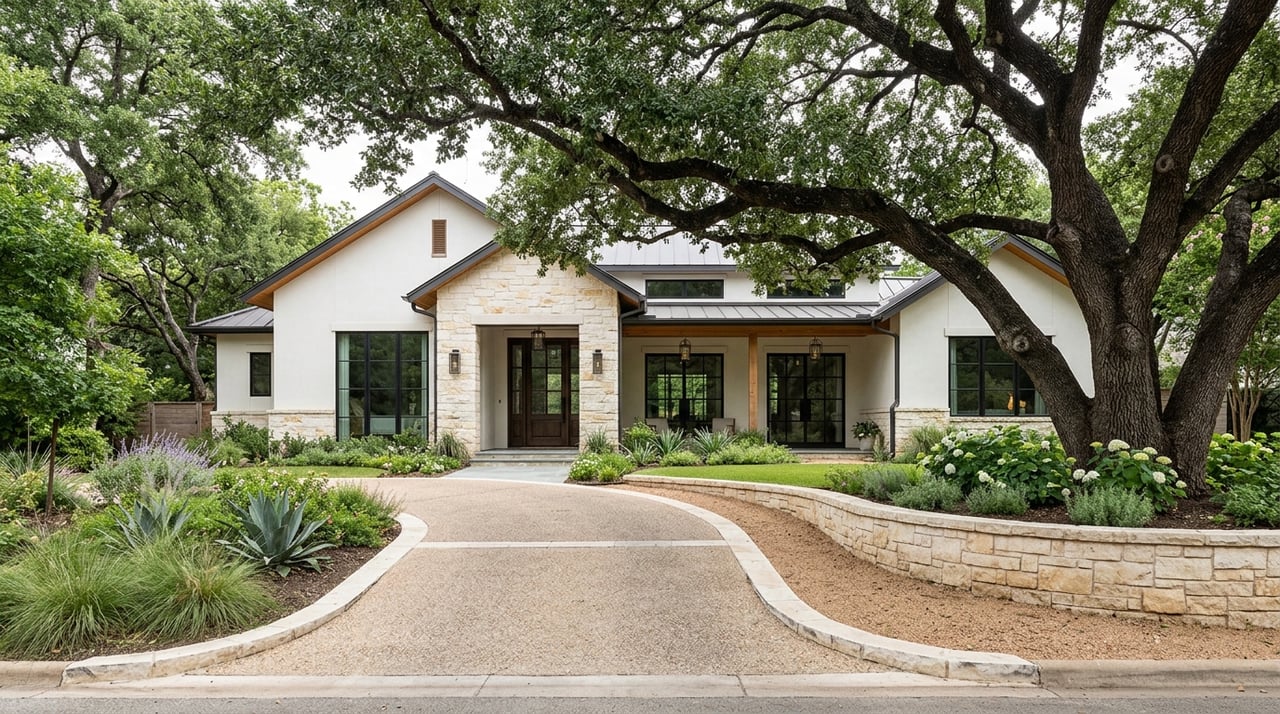
Trying to choose between Rollingwood and West Lake Hills? On paper, both are high-end west Austin markets with limited inventory and strong demand, so the difference is not always obvious at first glance. If you are weighing where your budget, lifestyle, and long-term plans fit best, this comparison can help you sort through the details that matter most. Let’s dive in.
Rollingwood and West Lake Hills at a glance
Rollingwood and West Lake Hills are both established west Austin communities with single-family housing, low inventory, and luxury price points. They also share proximity to central Austin and are often considered by the same group of buyers.
That said, the two markets do not feel identical once you look past the headline price. The clearest difference is not simply cost. It is how each area balances convenience, lot size, privacy, and the type of home you are likely to find.
Listing prices and inventory look different
As of May 2026, Realtor.com shows Rollingwood with 10 active homes for sale, compared with 31 in West Lake Hills. That alone tells you these are both thin-inventory markets, but West Lake Hills typically gives buyers more active options at any given time.
The same source shows a median listing price of $4.547 million in Rollingwood and $2.85 million in West Lake Hills. Median price per square foot also runs higher in Rollingwood at $1,061, compared with $831 in West Lake Hills. Median days on market are fairly close at 52 days in Rollingwood and 55 in West Lake Hills.
A broader home-value measure tells a slightly different story. Zillow’s late spring 2026 home-value index places Rollingwood at $2.36 million and West Lake Hills at $2.10 million, which is a useful reminder that active listings and total housing stock can paint different pictures.
The practical takeaway is simple: both are premium markets, and both can vary widely based on lot size, remodel level, age, and whether a home is a teardown, renovation, or newer build. In markets this tight, one or two standout listings can shift the median quickly.
Rollingwood homes tend to sit on smaller lots
If you want a more compact setting with a close-in feel, Rollingwood often fits that goal. The city’s comprehensive plan describes a low-density single-family community with larger lots than many central Austin neighborhoods, while also noting that older, smaller homes are often being replaced by larger new construction.
In current and recent listings, many Rollingwood lots cluster around roughly 0.34 to 0.43 acres. There are larger exceptions, including about 0.69-acre and 1.02-acre sites, but the general pattern is more compact than what you typically see in West Lake Hills.
That lot pattern shapes the housing stock. Rollingwood often includes older mid-century homes, renovated originals, contemporary infill, and newer rebuilds on established residential streets.
West Lake Hills offers more land and privacy
West Lake Hills has a different land pattern and a different feel. Official city materials emphasize rugged terrain, dense foliage, low population density, privacy, and preservation of scenic wooded character.
Current listings in West Lake Hills range from about one-third acre to multiple acres, with many properties in the 0.5 to 1.1 acre range and larger parcels such as 1.56, 1.62, 2.05, 4.48, and 5.62 acres. If you want room to spread out, separation from neighbors, or a more estate-like setting, West Lake Hills usually offers more of that opportunity.
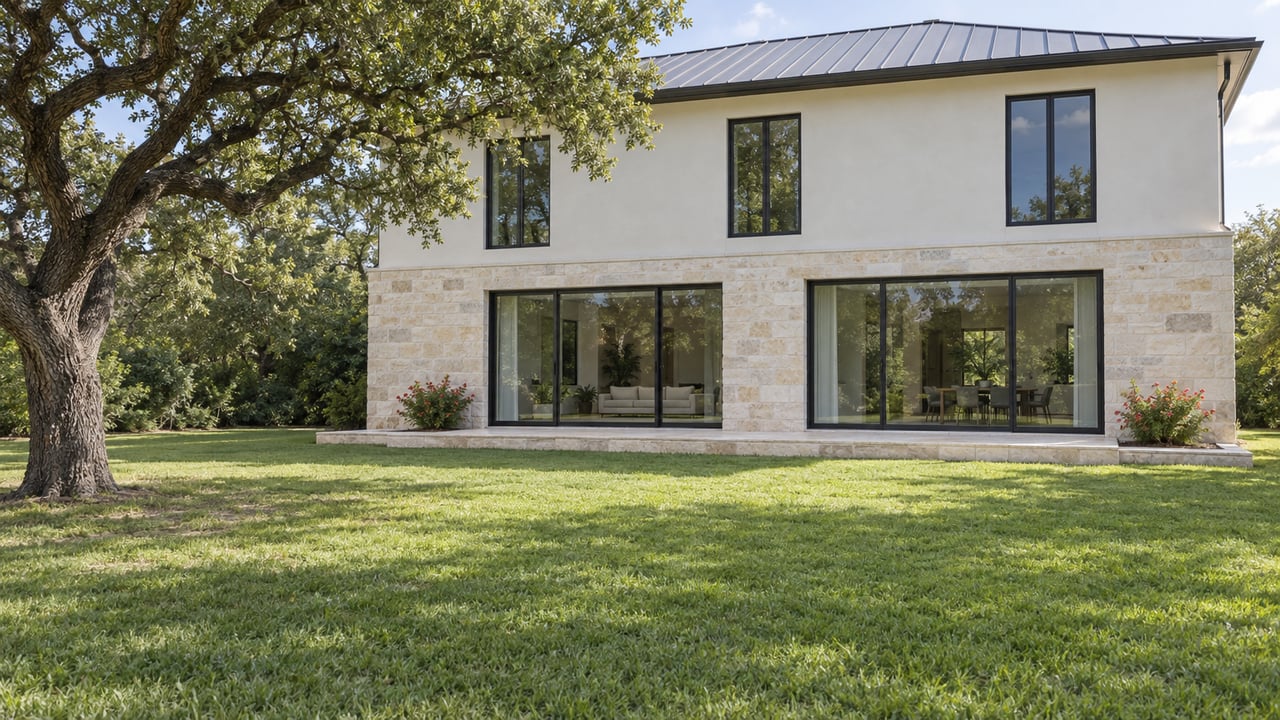
That larger-lot pattern also influences the homes themselves. You are more likely to see custom remodels, hill-country contemporary designs, and estate-scale new construction, often on larger, more private sites.
Home style differs in each market
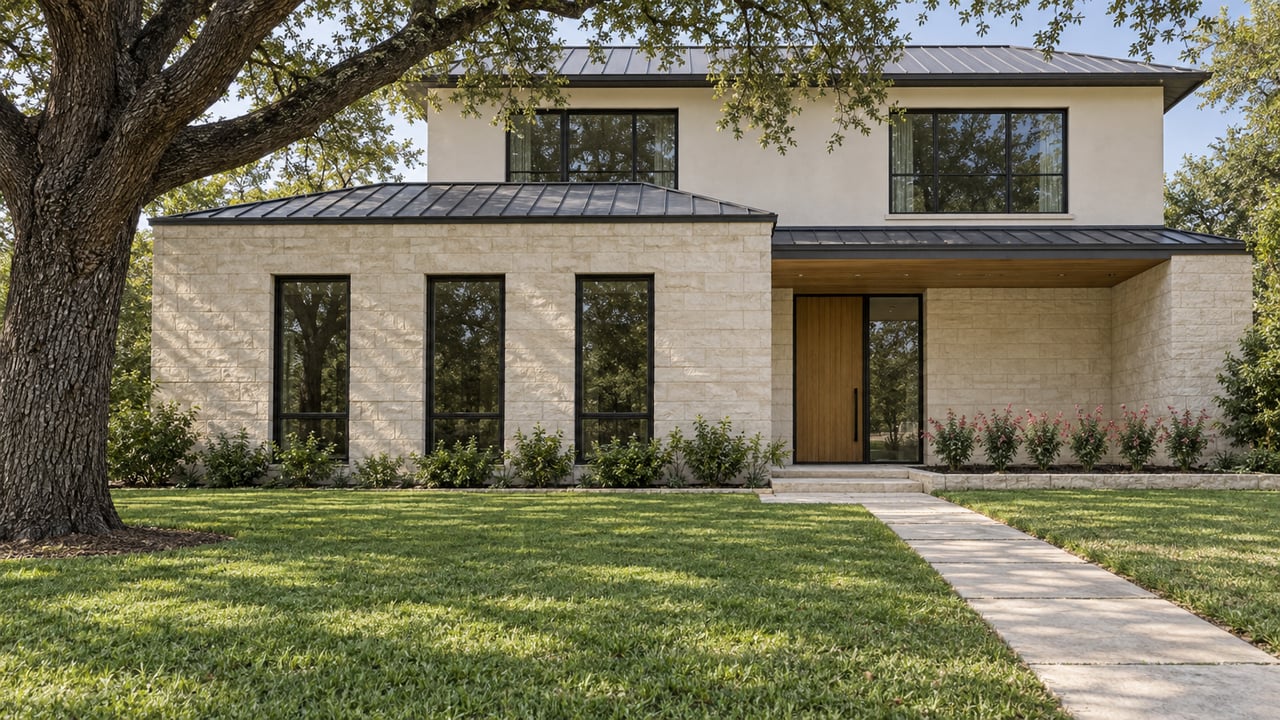
Housing style is one of the easiest differences to notice when you tour both areas. In Rollingwood, the mix often includes original homes from earlier decades alongside substantial remodels and luxury new builds on relatively compact lots.
Recent examples include a renovated 1961 home, homes built in 2016 and 2018 on roughly 0.35 to 0.38 acres, and a 2025-built home of about 6,500 square feet on 0.35 acres. That creates a neighborhood pattern where lot size may feel more contained even when the homes themselves are large and high-end.
In West Lake Hills, recent examples include 1970s and 1990s homes on sites of more than an acre, along with newer luxury construction on about an acre. The result is often a more spread-out streetscape with a stronger sense of land, topography, and privacy.
Building rules matter in both cities
If you are planning to renovate, expand, or rebuild, city rules can shape what is realistic. In Rollingwood, residential rules include 30-foot front setbacks, 20-foot rear setbacks, 10-foot side yards, limits on front-yard fencing, only one accessory building up to 500 square feet, and no short-term rentals.
For buyers, that means there is real renovation and rebuild potential, but you are working within a tightly managed single-family setting where setbacks and lot footprint matter. In a compact neighborhood, those dimensions can have a big impact on design choices.
West Lake Hills is restrictive in a different way. Setbacks vary by lot size, single-family lots of 0.5 acre or larger are capped at 25% impervious cover, and tree or vegetation removal generally requires a permit.
In practical terms, West Lake Hills may offer more land and privacy, but additions, hardscape, and site work can be more involved because of terrain, vegetation, and preservation priorities. Rollingwood can be easier to understand at the street level, but it often gives you less room to expand outward.
Daily lifestyle is where the choice gets clearer
For many buyers, the better fit comes down to everyday living more than price. Rollingwood’s official city description places it on the west bank of Lady Bird Lake between West Lake Hills and Austin, abutting Zilker Park, with walkable streets and a growing commercial district.
The city also notes its location near MoPac and Bee Caves Road, plus close access to Zilker Park and Downtown Austin. If you value quicker errands, easier park access, and a more connected feel to central Austin, Rollingwood often checks those boxes.
West Lake Hills offers a different rhythm. Official city materials place it about six miles west of downtown Austin and roughly 20 minutes from Austin-Bergstrom International Airport, while also noting local amenities such as the Village at Westlake Shopping Center, the Westlake Athletic & Community Center, the Westbank community libraries, and seasonal community events.
For many buyers, that translates to a more wooded, private, and estate-oriented experience. You may trade some of the close-in convenience of Rollingwood for more land, more separation, and a quieter setting.
Which market may fit you better?
If you are comparing these two areas, it can help to think in terms of fit rather than trying to declare one clearly better. Both are premium west Austin choices, and both have limited inventory that can make timing important.
Rollingwood may be the better fit if you want:
- A closer-in location near central Austin
- More walkable residential streets
- Easier access to parks, errands, and major routes
- A smaller-lot luxury home or rebuild opportunity
- A neighborhood pattern that feels more compact and connected
West Lake Hills may be the better fit if you want:
- More land and more privacy
- A wooded or estate-like setting
- Greater odds of finding a larger parcel
- A custom home environment shaped by terrain and trees
- A lifestyle that feels more secluded while staying near Austin
Why the numbers do not tell the whole story
In thin luxury markets, headline medians are useful, but they are not the full story. A small number of listings can shift market statistics quickly, especially when properties vary so much in acreage, age, condition, and rebuild potential.
That is why the most durable way to compare Rollingwood and West Lake Hills is not to ask only which one is more expensive. A better question is which setting matches how you want to live and what kind of property you want to own.
If you want convenience and compactness, Rollingwood stands out. If you want privacy and land, West Lake Hills usually has the edge.
When you are ready to compare active listings, lot characteristics, and renovation potential in person, working with a neighborhood-focused guide can save you time and help you make a more confident decision. Reach out to Olivia Osborne for thoughtful, local guidance on buying or selling in west Austin.
FAQs
How do Rollingwood and West Lake Hills home prices compare?
- As of May 2026, Realtor.com shows a median listing price of $4.547 million in Rollingwood and $2.85 million in West Lake Hills, but broader home-value data shows a narrower gap, so pricing depends on the source and the homes currently on the market.
What is the main lifestyle difference between Rollingwood and West Lake Hills?
- Rollingwood generally offers a more close-in, walkable, convenience-oriented setting, while West Lake Hills is typically more wooded, private, and estate-oriented.
Are lot sizes larger in West Lake Hills than in Rollingwood?
- Yes. Rollingwood listings often cluster around roughly 0.34 to 0.43 acres, while West Lake Hills commonly includes sites from about 0.5 to 1.1 acres and sometimes several acres.
Is it easier to renovate a home in Rollingwood or West Lake Hills?
- Each city has its own rules, but Rollingwood is generally more compact and straightforward at the street level, while West Lake Hills can involve added complexity tied to lot size, impervious cover limits, terrain, and tree preservation.
Do Rollingwood and West Lake Hills offer similar access to Austin?
- Both are well-located west Austin communities, but Rollingwood is described by the city as being between West Lake Hills and Austin near Lady Bird Lake, Zilker Park, MoPac, and Bee Caves Road, which often gives it a more close-in feel for daily trips.
Is inventory limited in both Rollingwood and West Lake Hills?
- Yes. As of May 2026, Realtor.com shows 10 active homes for sale in Rollingwood and 31 in West Lake Hills, which means both markets are relatively tight, especially at the luxury end.